THE NEXT CHAPTER - Pitching (Versus Throwing)
How you present what you present matters.

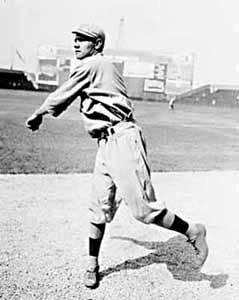
“Pitching is both an art and a science.” – Max Scherzer
Last week I spoke about pitching a fresh manuscript at the Writer’s Digest Conference in Baltimore later this month, focusing on what to include in a pitch. Today, let’s talk about you.
A pitch event involves sitting down facing an agent or editor and telling them why your work is exactly what they need right now. You may also find yourself in the company of a publishing industry professional on an elevator, in a chow line, at a bar, or after a seminar. It’s more than just words, it’s how you connect on a personal level to say what you need to say.
Let’s face it, the writing life generally calls us to quiet rooms for long stretches of word wrangling, punctuated perhaps by refrigerator raids or long walks. (NOTE: Keep hydrated!) This job description does not flow seamlessly into extemporaneous speaking or much other social activity. Success at pitching will therefore require the discipline of preparation and a touch of intestinal fortitude.
Before we proceed with our preparations, here are my qualifications for offering this advice. I was a technology consultant for many years, briefing clients, training attorneys and addressing panels. I publicly perform music (guitar and voice) for fun and the odd dollar here or there. And I do public readings of my own and other work whenever I can, including Bloomsday readings from Ulysses with Staten Island OutLOUD.
So, you’re not at all nervous about public speaking…
I’m always a bit anxious before I start, before that first pitch, first line, first note. Then I just go with the flow. That’s one of the things you learn through practice.
Preparation
The words come first, of course: what you wrote, and how you digest what you wrote into an elevator pitch as discussed in our previous episode.
Then you test your pitch, as you should your prose or poetry, by reading it aloud. Make your points; find the phrases that just take up space or cause you to stumble, and edit them out. When you think it’s ready, you might try it out on friends or family. Recitation also helps with memorization, not as a rote soliloquy, but as opening for a conversation. Remember, the point of a pitch is not just to effectively convey the main thrust of your story, but to engage your pitch partner in a discussion about it.
If you are preparing for a conference, definitely research the people you will be pitching. Good sources are QueryTracker, Manuscript Wish List, Publisher’s Marketplace, all of which have free and subscription-based levels of access, and social media such as BlueSky and, yes, Substack. In researching publishing people, make sure you are pitching a project appropriate to the stated interests of the agent or editor; that’s no guarantee of success or a full read, but nothing is gained by pitching a spy thriller to a Romantasy editor or agent. See also if there are any authors or titles under their clients or favorites that you recognize and enjoy; that may also help with Comps (which we’ll further discuss next time). Any connection or shared interest that you can find will make for a more enjoyable 15-minute conversation.
Windup and Pitch
The first thing I do before any major action is breathe. Deep breath, hold it five seconds, let it go. There are many things you cannot control in life, but you can control your breath, and this will help you.
The second thing I do is to briefly review my pitch sheet and my digest of the agent or editor’s profile. You may be asked to submit your query beforehand for review; if so, have that cleanly printed and ready. I have my pitch notes ready, but rarely if ever look at them during a pitch, because that is about making personal contact with that person and your story.
When your time comes, greet the agent or editor by name and introduce yourself in a normal, conversational manner. Normally you won’t be shaking hands – they’re getting a lot of contact as it is, respect space and let them initiate. As you get seated, they might ask you or you might begin I’m here to talk about… and go into the sentence or paragraph that most succinctly sets out the book to open the conversation.
While you’re pitching, read the person you’re pitching rather than your notes. You may see what piques interest, where they may drift, but always stay engaged as with any conversation. You are there to make an impression, not only for the wonderful story you’re sharing, but about yourself, whether you’re the kind of author with whom this agent or editor would want to work.
When time is up, you will likely get one of the following responses:
> Thank you, it’s been a pleasure meeting you, but this story is not for me / not what I’m looking for at this time.
> Thank you, I’d like to see your full query and a sample. Here is my Query Manager address for this conference. I’ll be watching for your submission.
> Thank you, I would love to see more of your story. Here’s my card, please send me a full manuscript (or perhaps the first 50 pages).
I’ve had several full reads from pitches. The odds remain long indeed, but I always feel that if I can get in front of someone, I can make my case much better than one of this week’s hundred or more submissions. I hope that you will do the same.
If you’re at the Writer’s Digest Conference on the weekend of July 25th, please do look me up!
Keep on,
Andy
A pitcher needs a catcher : )